System Integration
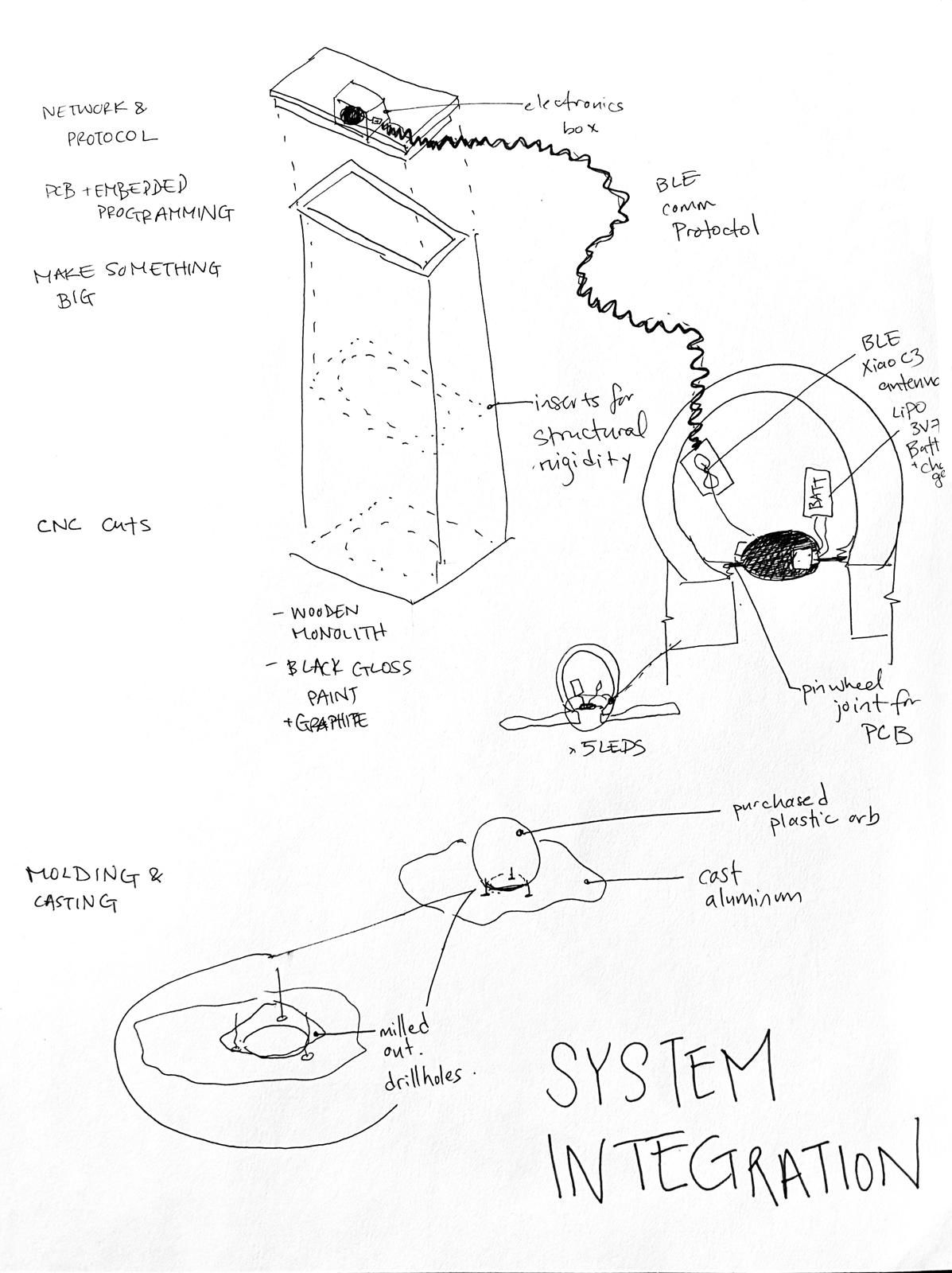
Starting with the end, showcasing the project working.
Here is a video of the motion sensor as I tested it in the architecture shop in the darkness, showing the sunrise effect:
Fusion & Schematics
Motion Sensor:
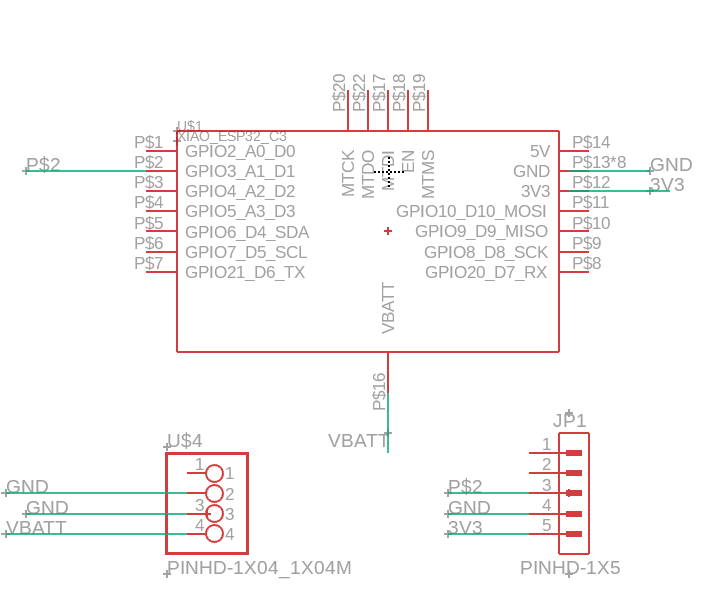
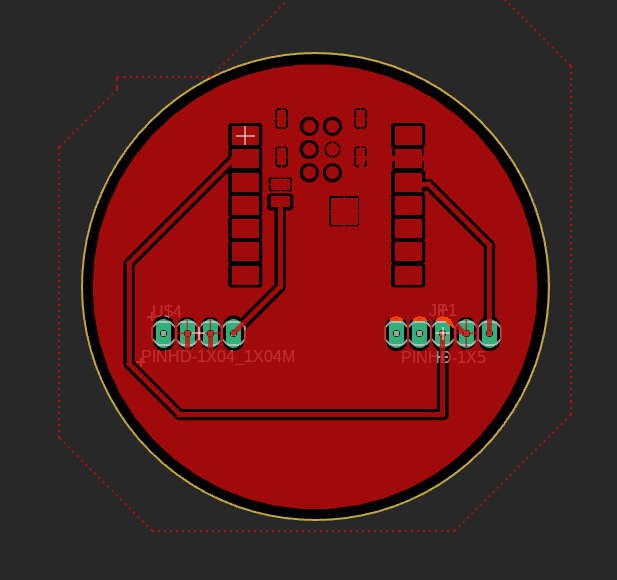
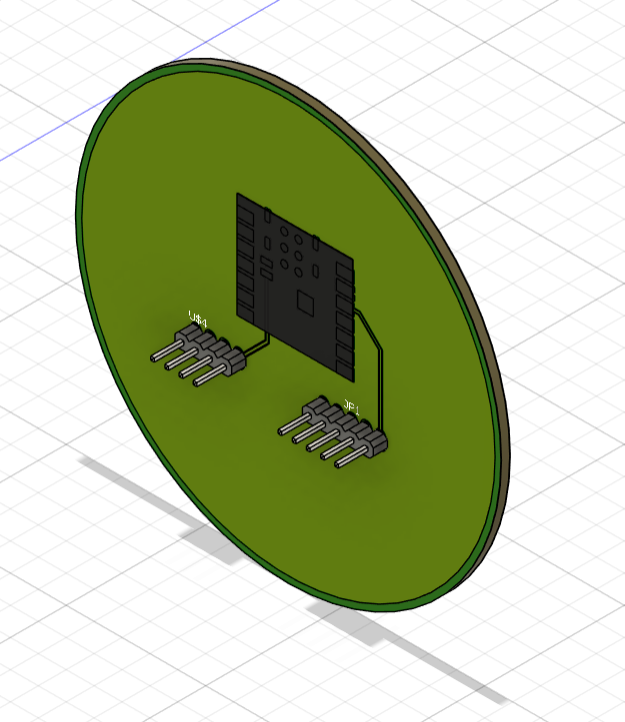
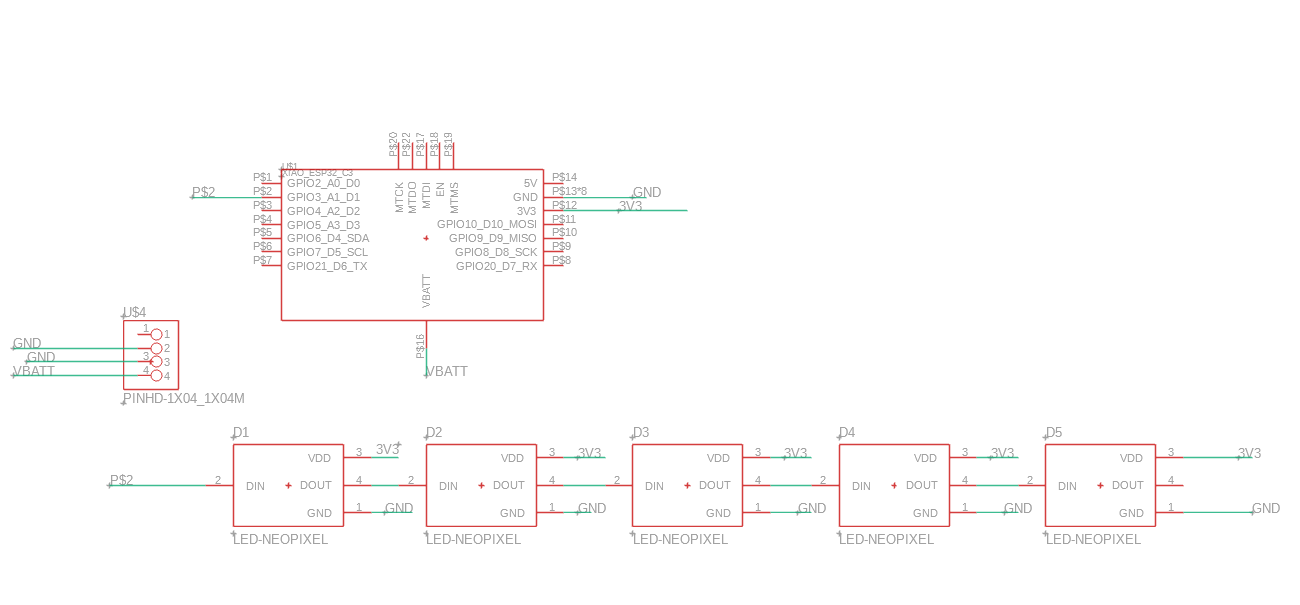
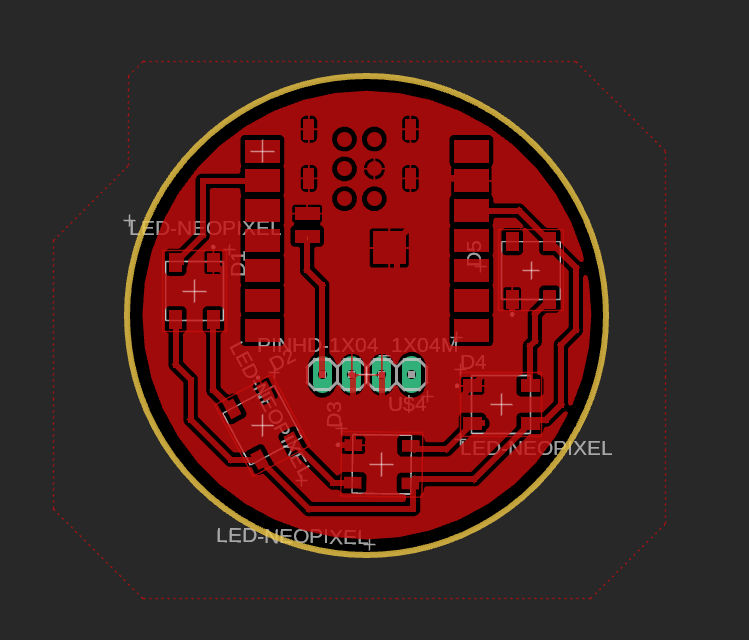
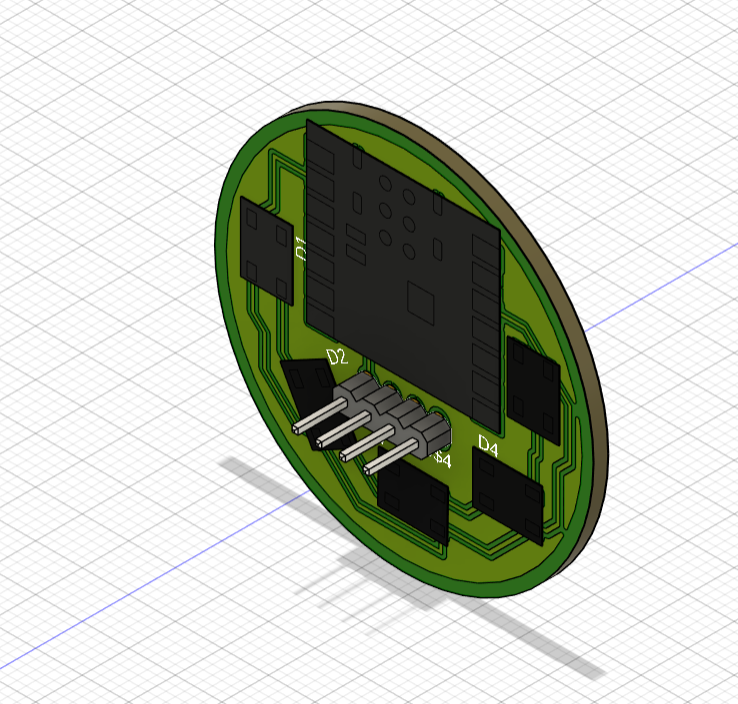
LED Circuit and Design:
Final Project Goals
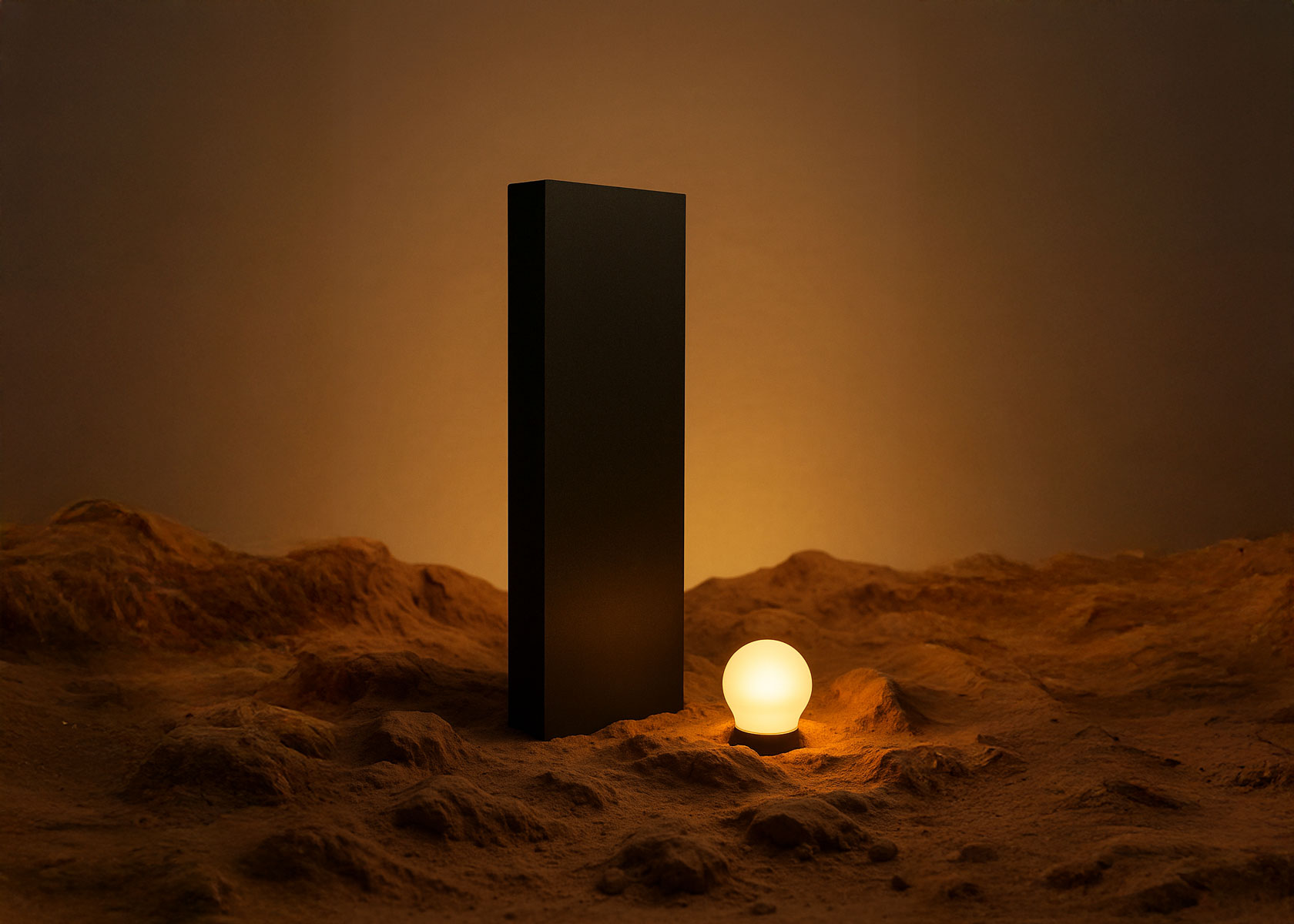
The installation reinterprets Kubrick’s 2001: A Space Odyssey through a fabricated 2-foot black monolith that silently senses human presence.
When someone approaches, a hidden radar sensor triggers a separate glowing light: a self-contained, rechargeable sunrise lamp. Together, they form a minimal spatial dialogue between object and observer: darkness observing light, and light awakening in response to movement.
The monolith is built from black-coated wood panels mixed with graphite and latex for a matte-metallic surface, evoking mystery and mass. Embedded inside is a motion-sensing sensor node, fully enclosed.
The light source is its luminous counterpart: an acrylic panel resting inside a metalic 'rock' landscape, either set on the ground in nature, or hung on the wall. Inside, a rechargeable Li-ion (?) power system, Xiao Seeed ESP32 C3 microcontroller, and warm LED strip which mimicks the sunrise. This would fade gradually in intensity as motion occurs, creating a perceptible breathing of light.
Images of the Process:
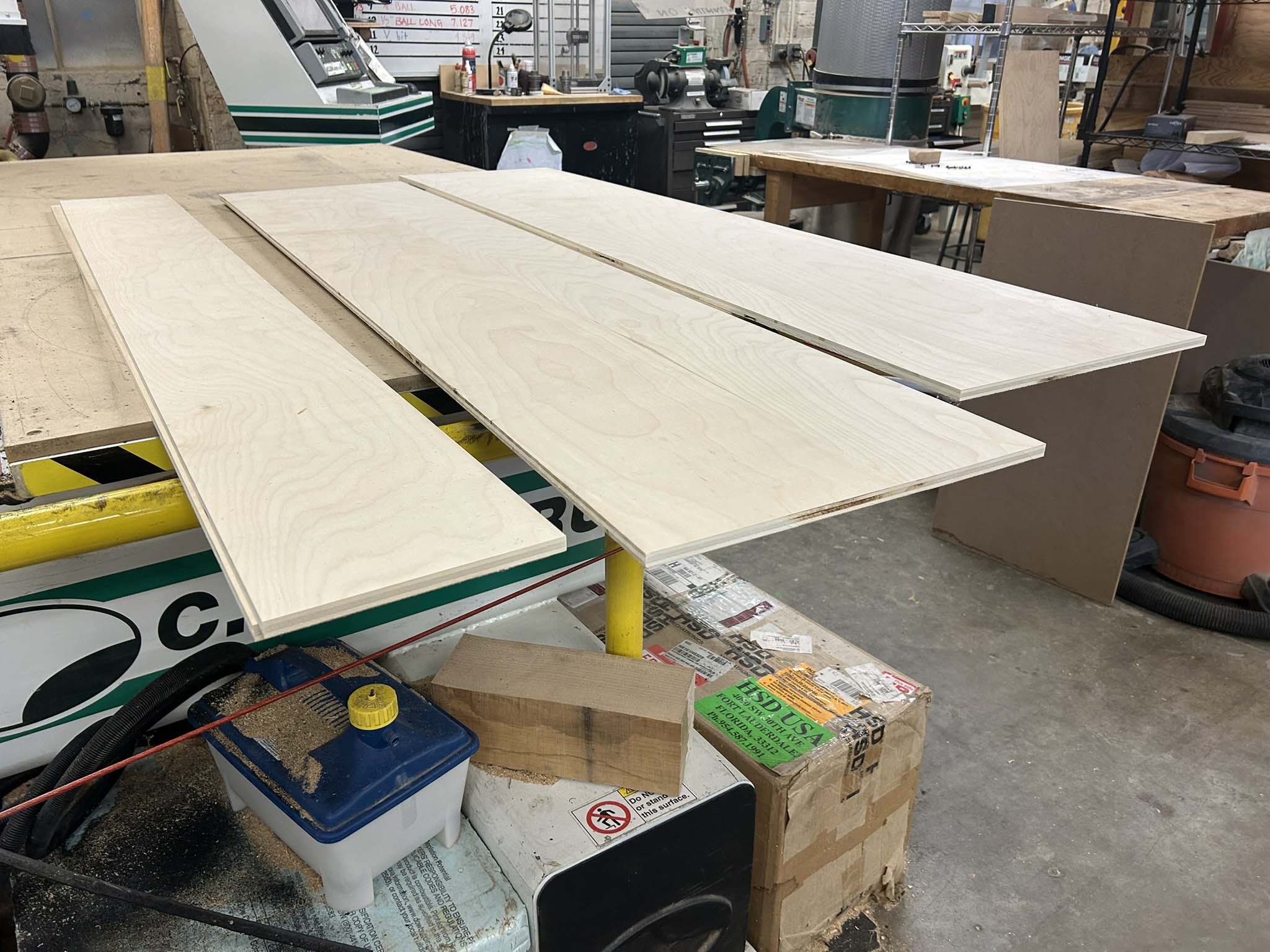

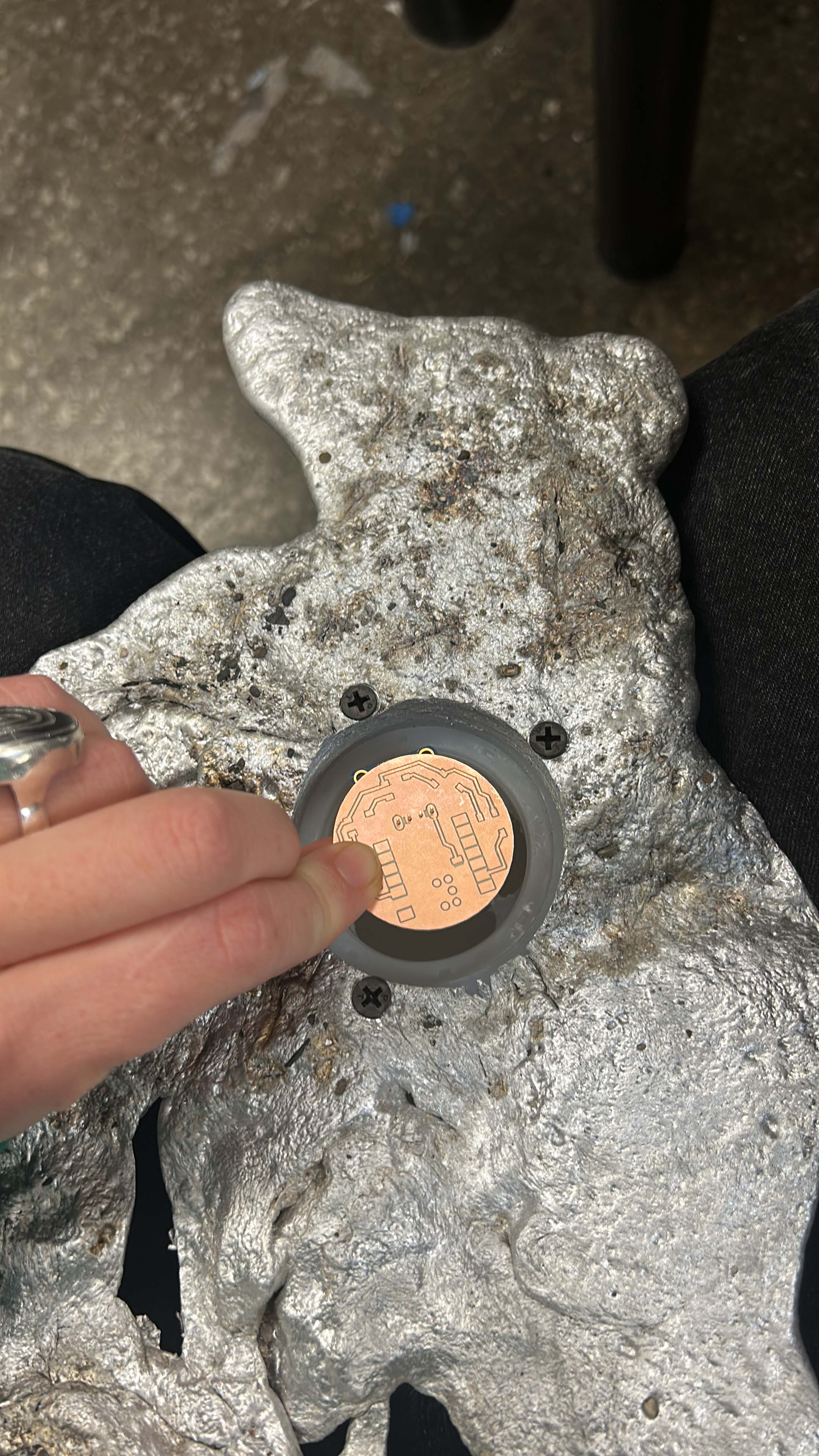
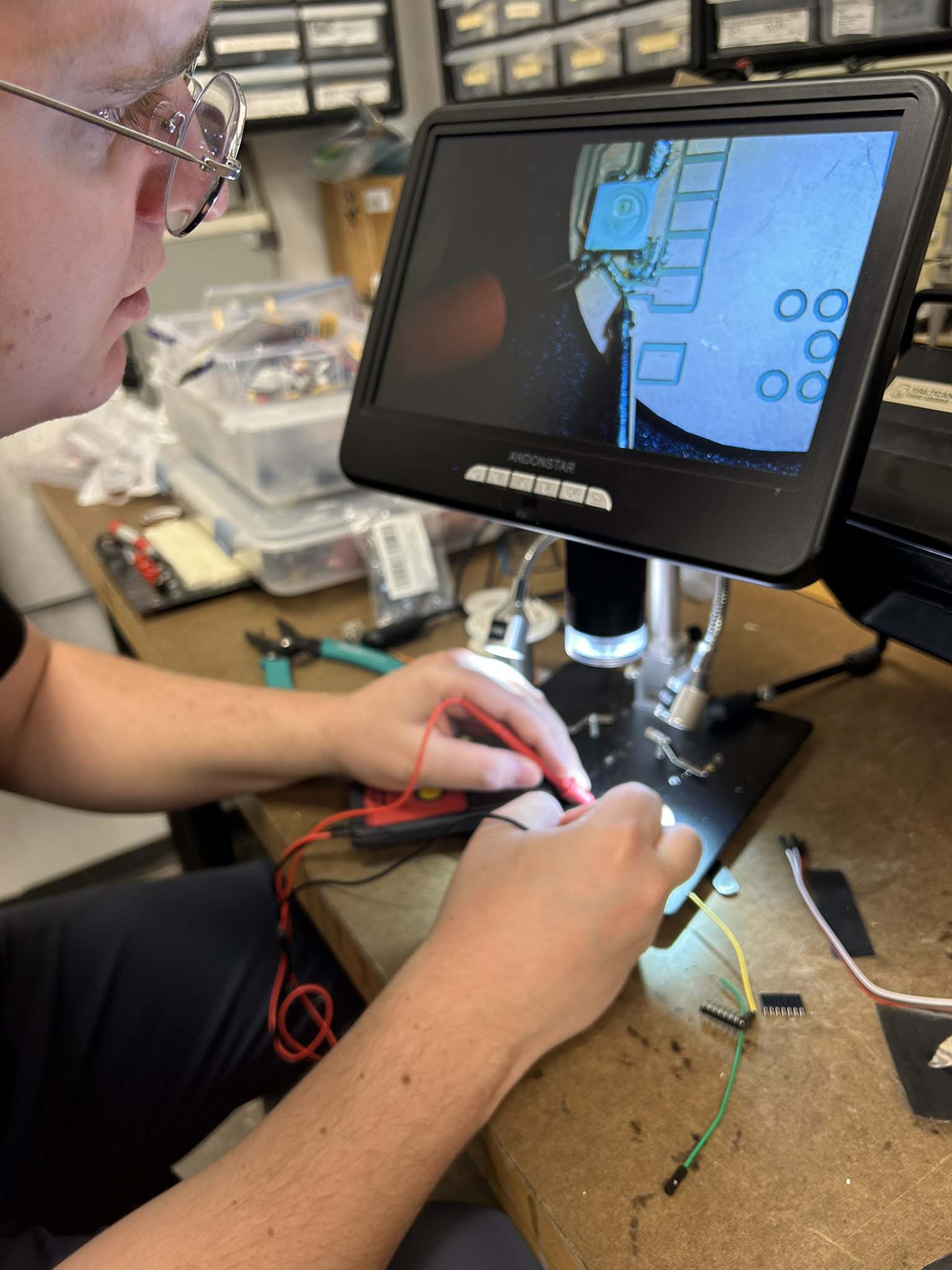

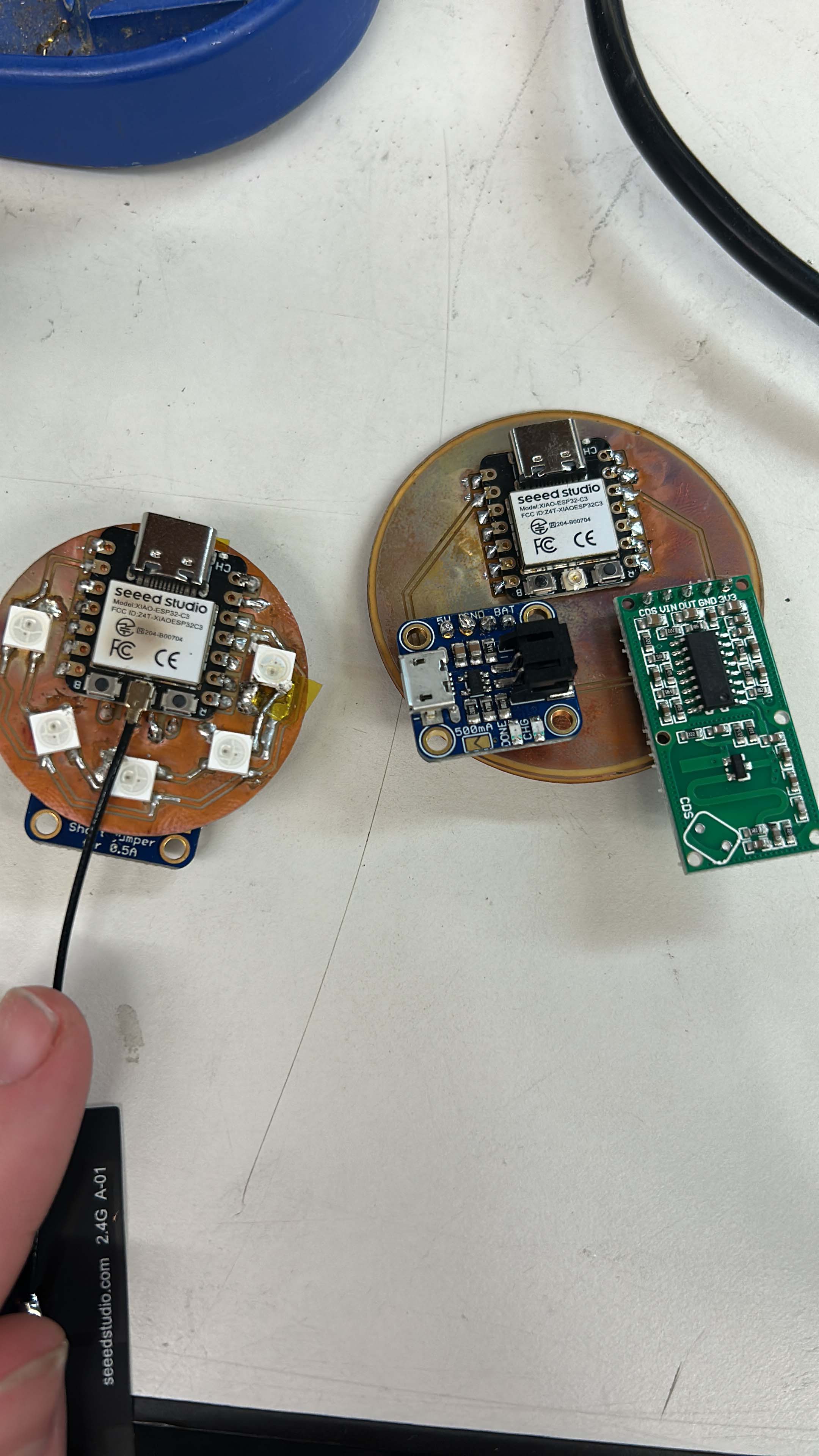

***
Hardware Parts
| Subsystem | Component (Technical Name) | Specs | Function / Notes |
|---|---|---|---|
| Sensor Node (inside monolith) | RCWL-0516 Microwave Radar Sensor | 5 V input, 3.3 V logic output, range 5–7 m | Detects motion through ½″ wood; outputs digital HIGH (3.3 V) when motion detected |
| Seeed Studio XIAO ESP32-C3 | 3.3 V logic, USB-C, Wi-Fi/ESP-NOW | Microcontroller that interprets motion signal and transmits wirelessly to light node | |
| Resistors / Capacitor (Noise Filter) | 10 kΩ, 100 kΩ, 0.1 µF ceramic | 100 kΩ pulls radar OUT low; 10 kΩ + 0.1 µF smooth noise | |
| 5 V USB input or 12→5 V buck | 5 V 2 A | Powers sensor and MCU | |
| Lighting Node (the orb) | Seeed Studio XIAO ESP32-C3 | Same as sensor board | Receives wireless signal and drives LED |
| WS2812 / NeoPixel RGB LED Ring | 5 V, individually addressable, 12 LEDs | Produces smooth sunrise gradient and dimming | |
| 12 V→5 V Buck Converter | 2 A output | Steps battery voltage down to 5 V for MCU and radar | |
| 3S Li-ion Pack | 11.1 V 2200 mAh, with balance protection | Rechargeable power source | |
| 6"x4" Frosted Acrylic Pane | Sealed with silicone | Diffuses light evenly; housing for LED |
***
Renders
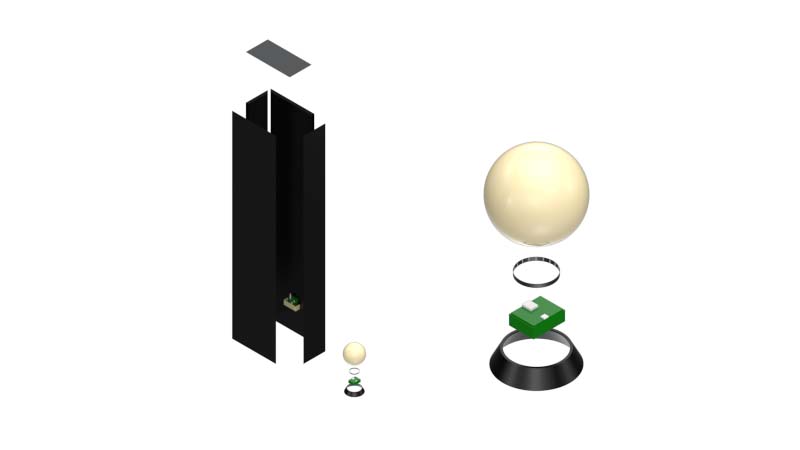
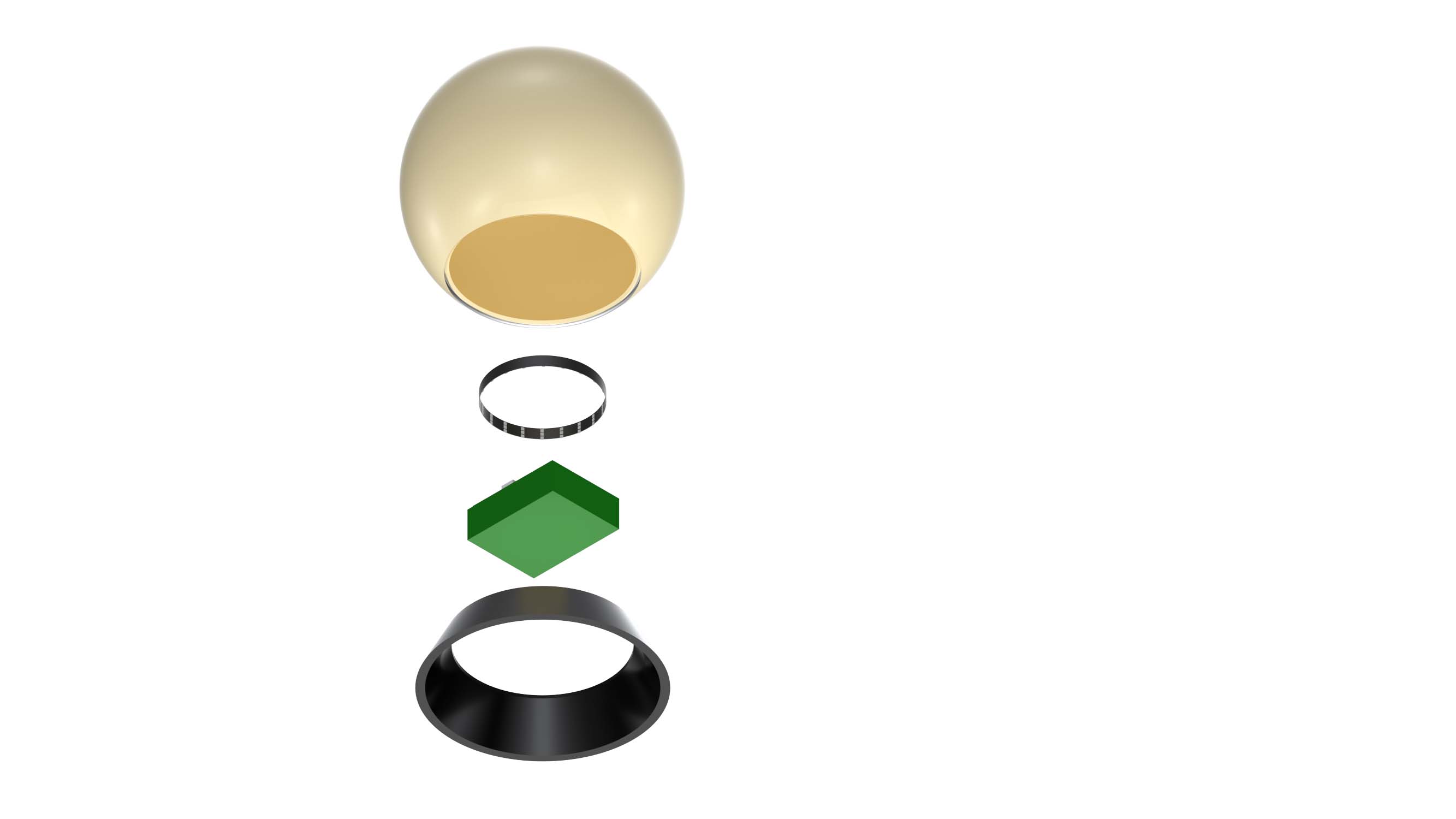
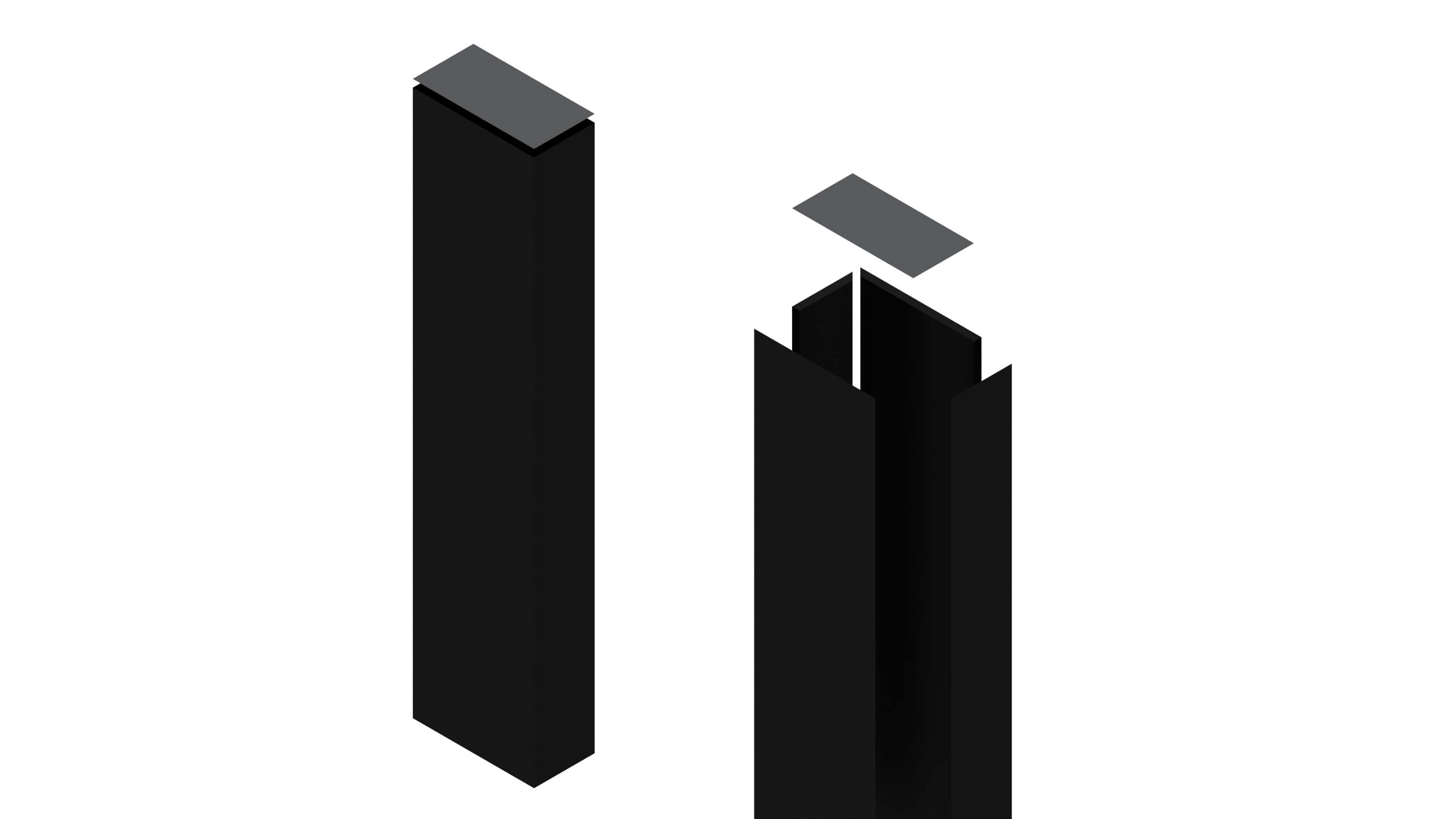

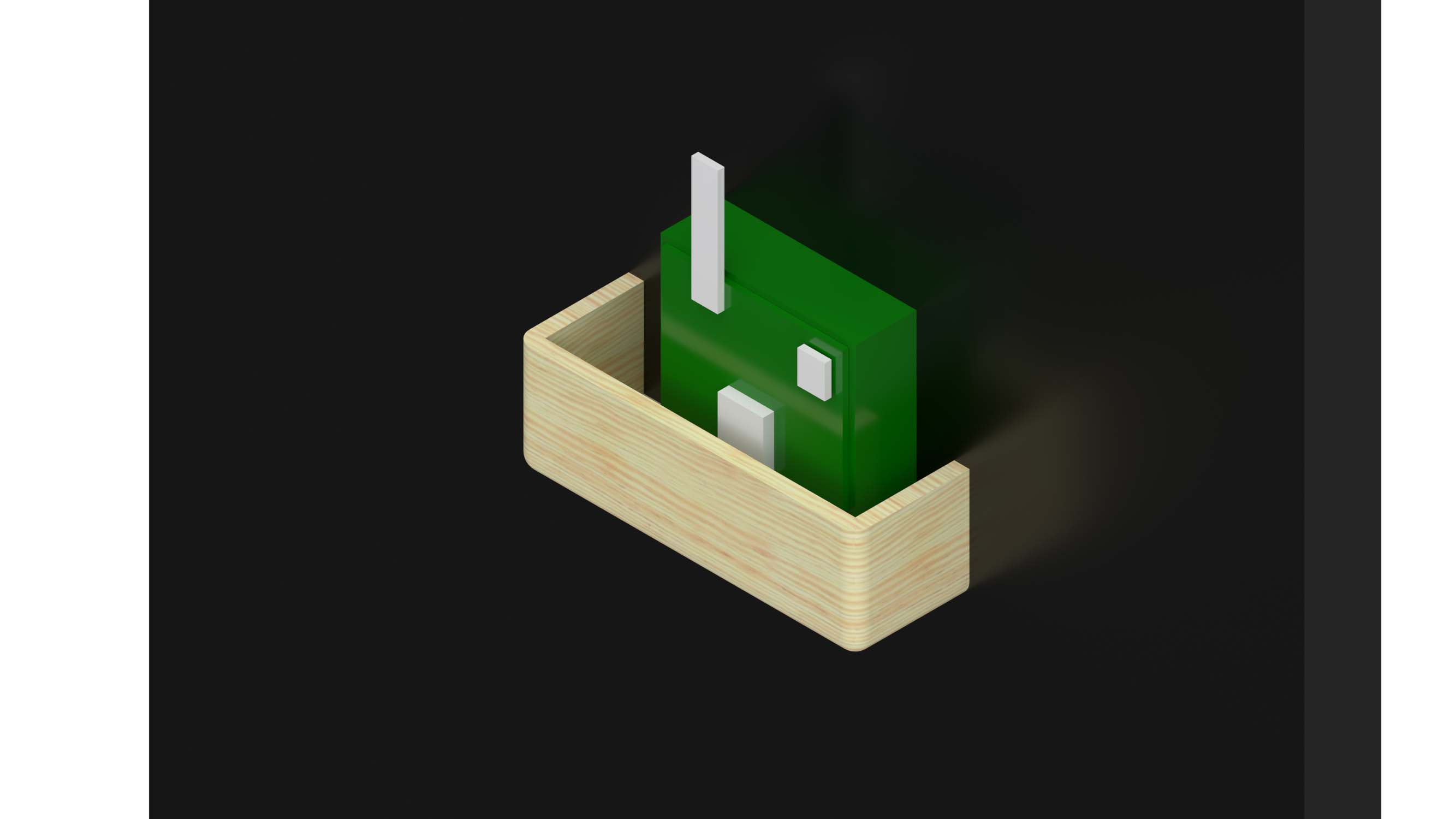
Initial Board Sketch
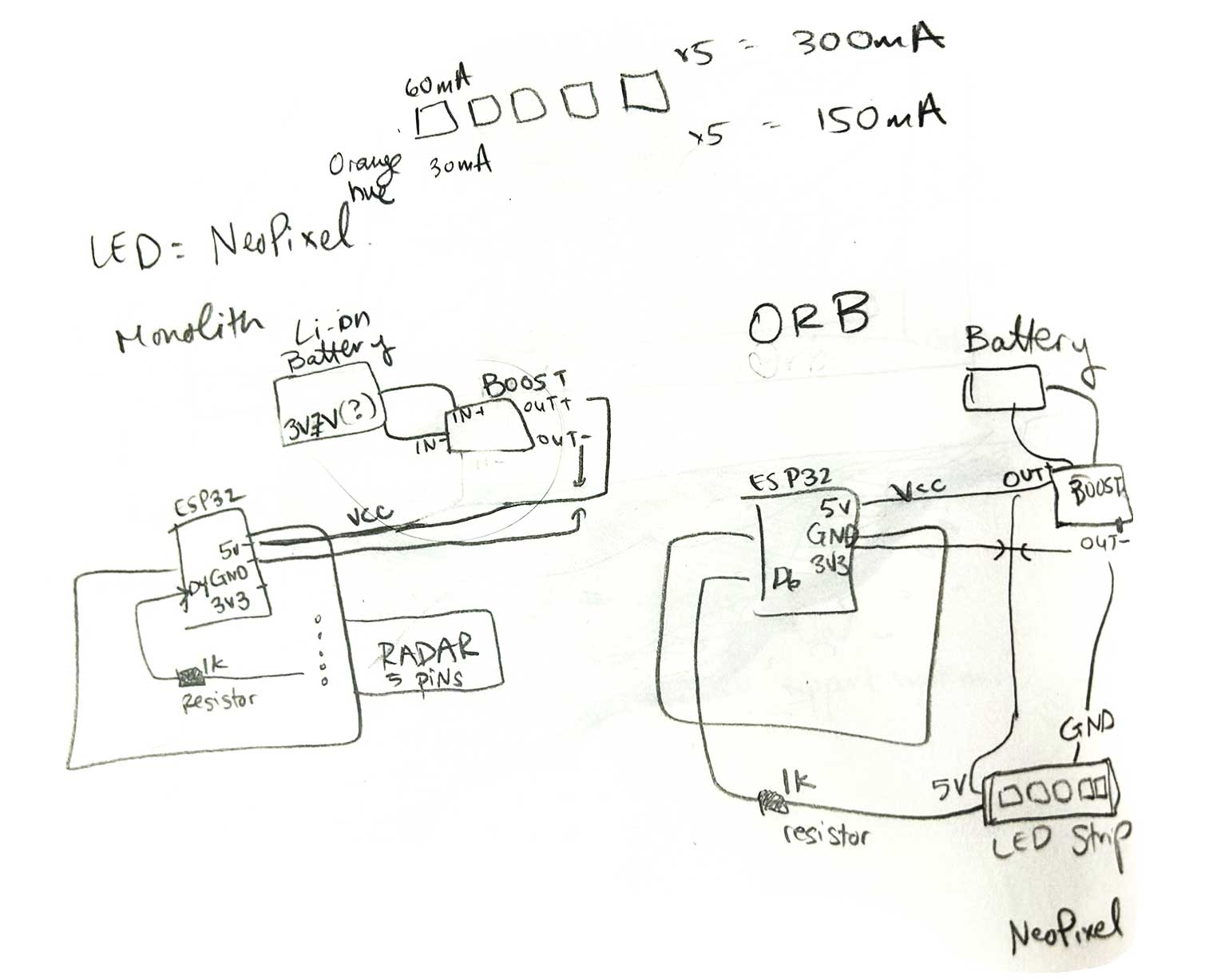
This was the initial board sketches as to the two communicating boards.
The logic:
Have two PCB boards, each with a Xiao Seeed ESP32-C3 that have an in-built radio communciations protocol.
This way, one board would live inside the monolith and detect motion (up to 7m, realistically 5m with other disturbancevs and within a 1/2" plywood box).
The second board would live inside the light orb 'box' and control the LEDs.
This would make two very simple circuits:
The new option for a light design, emerging from the landscape:
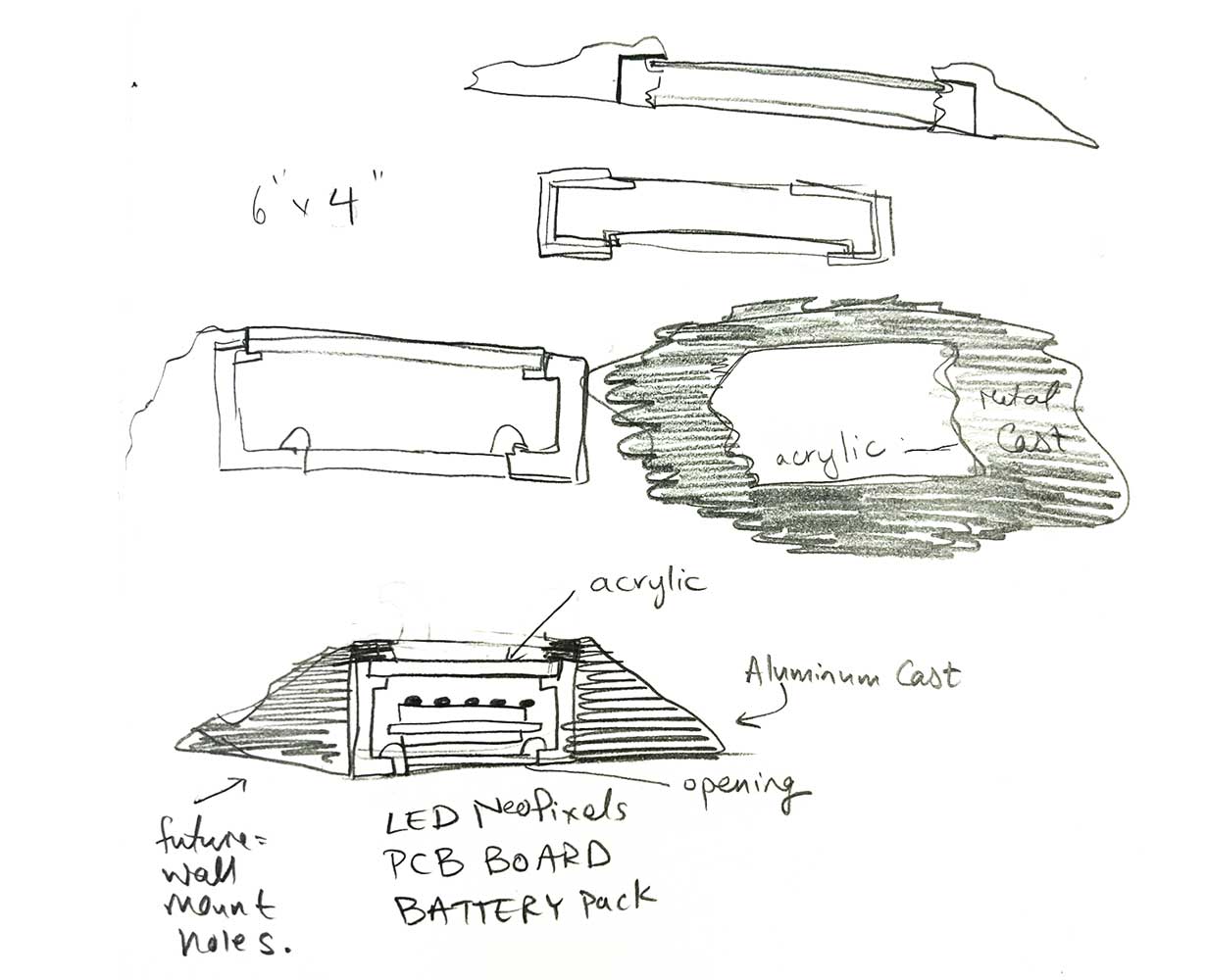
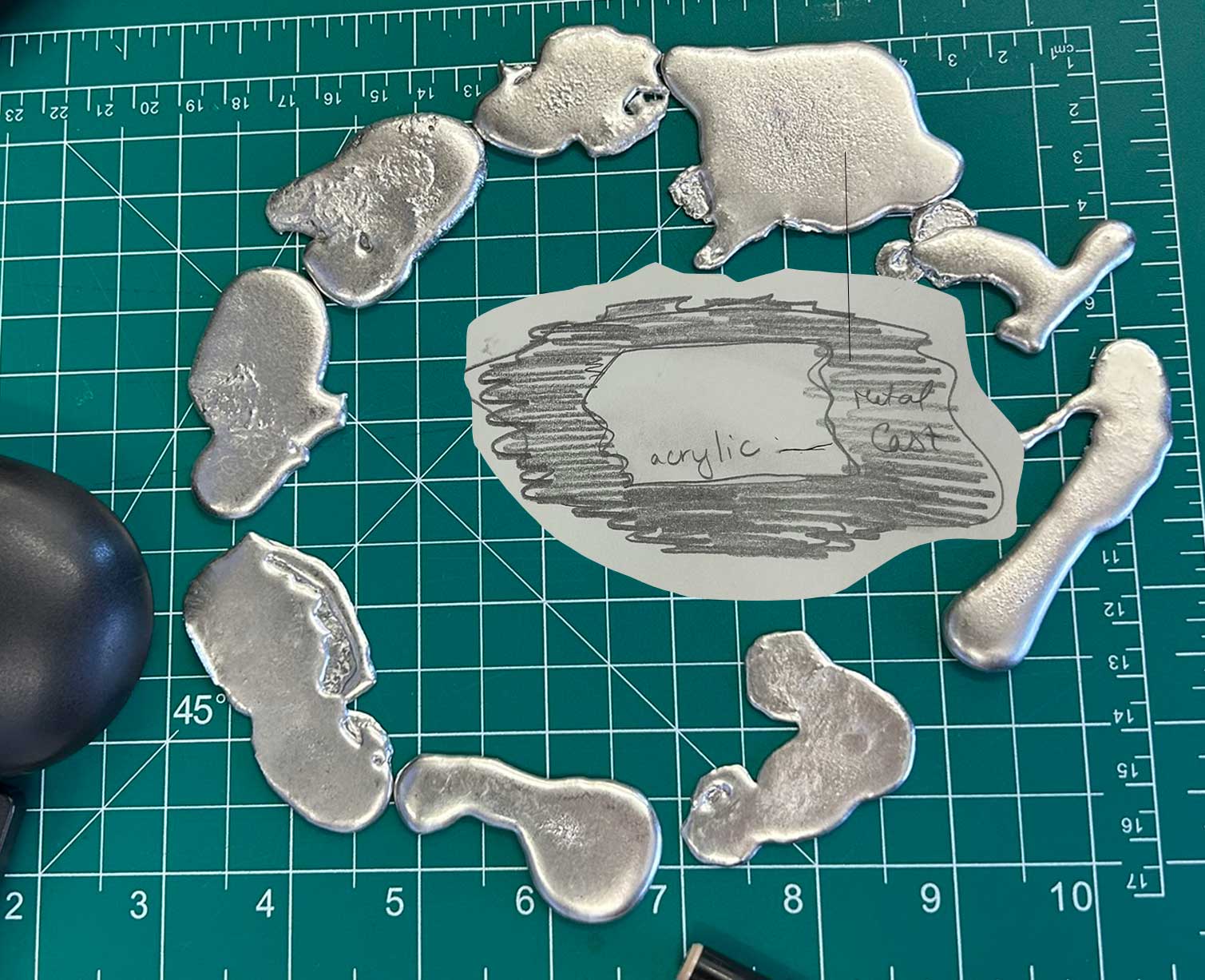
I really enjoyed the metal casting from week 10 and would like to utilize the technique from the landscape-material cast into the orb. This way the orb landscape can lie on the ground and also be hung on the wall in a future assembly. It would look something like this:
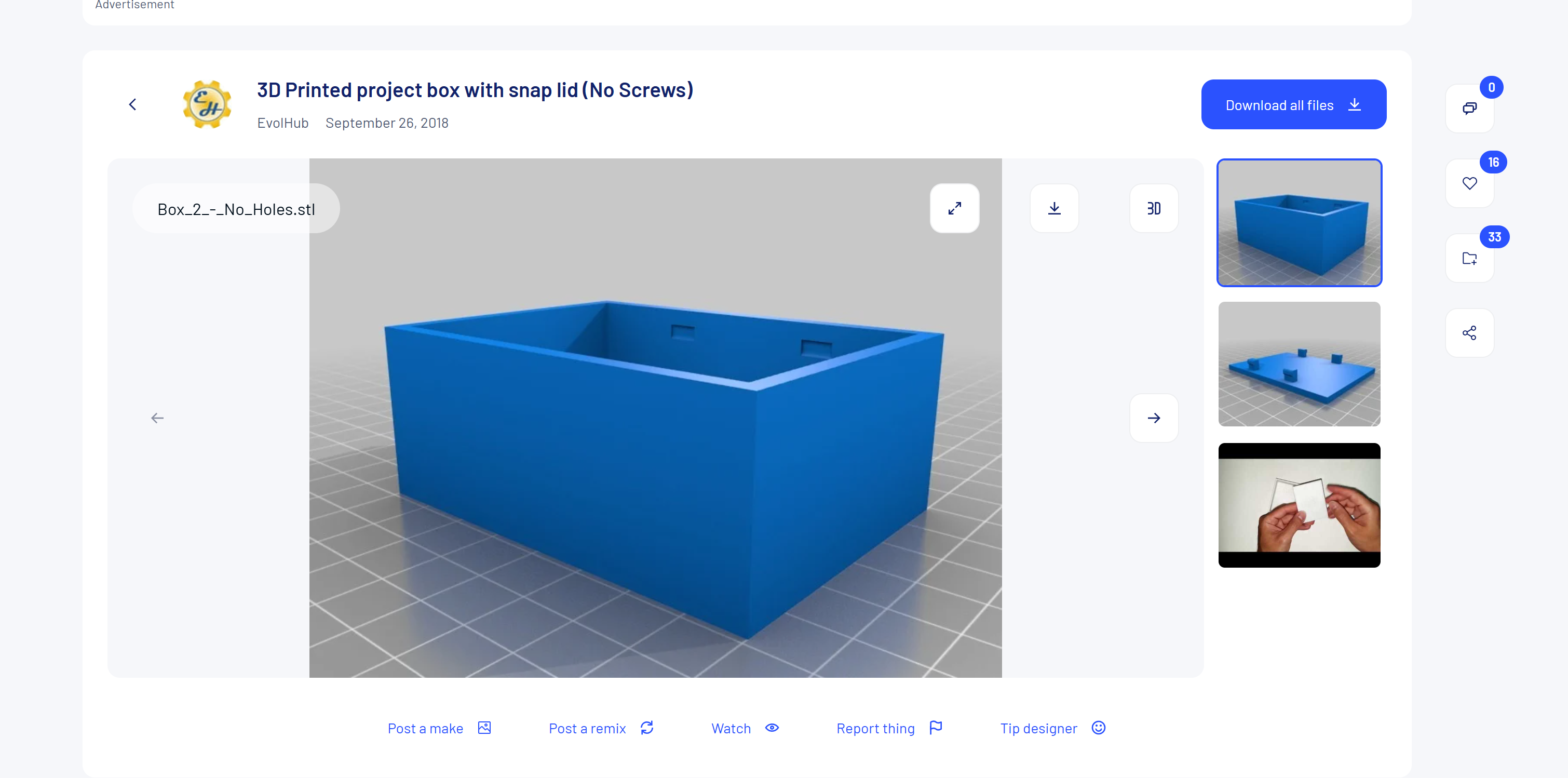
In this new iteration, there is an acrylic panel at the top which diffuses the 4 orange LEDs. The cast metal sits around it, and at the center is a 3D printed box that holds the remaining hardware parts: the PCB and a battery pack. It should also have an access point. The box will be based on this Thingiverse file.
Products Purchased
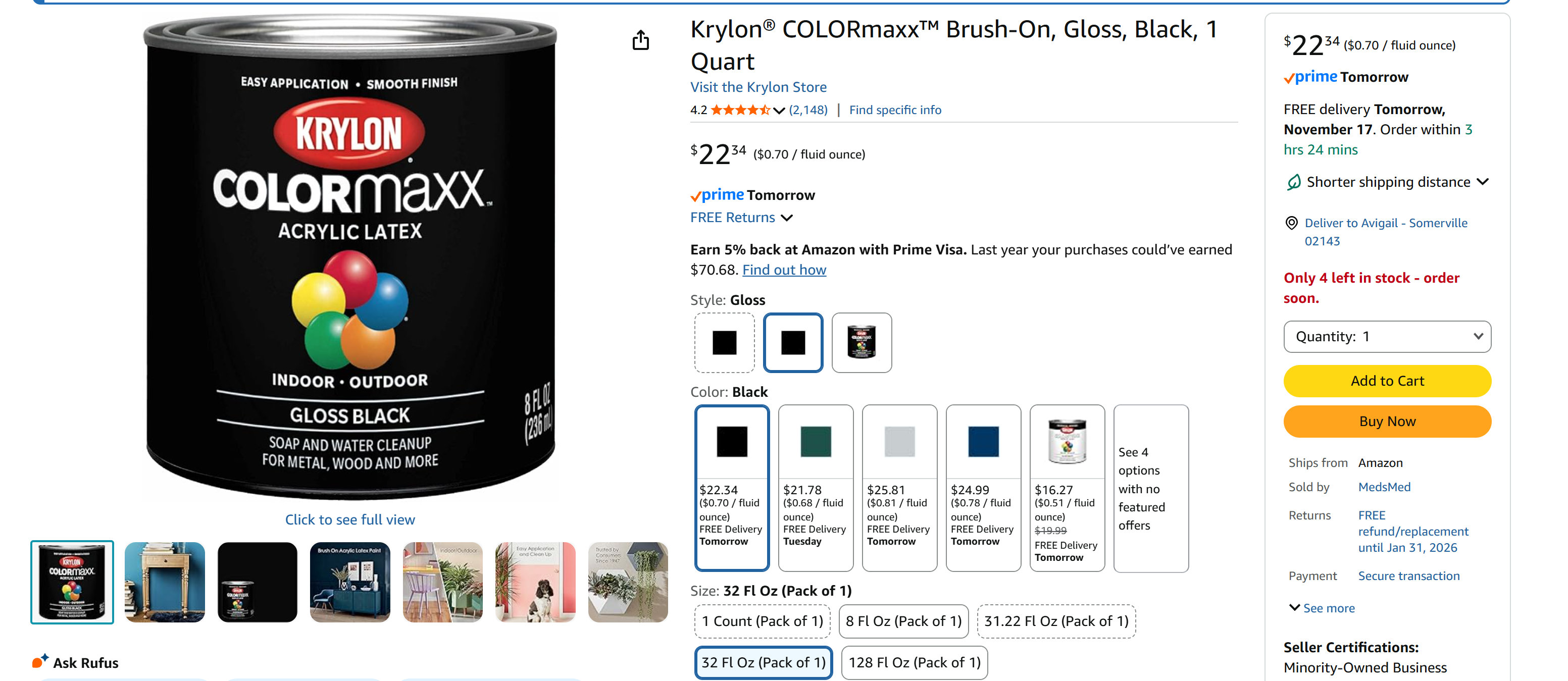
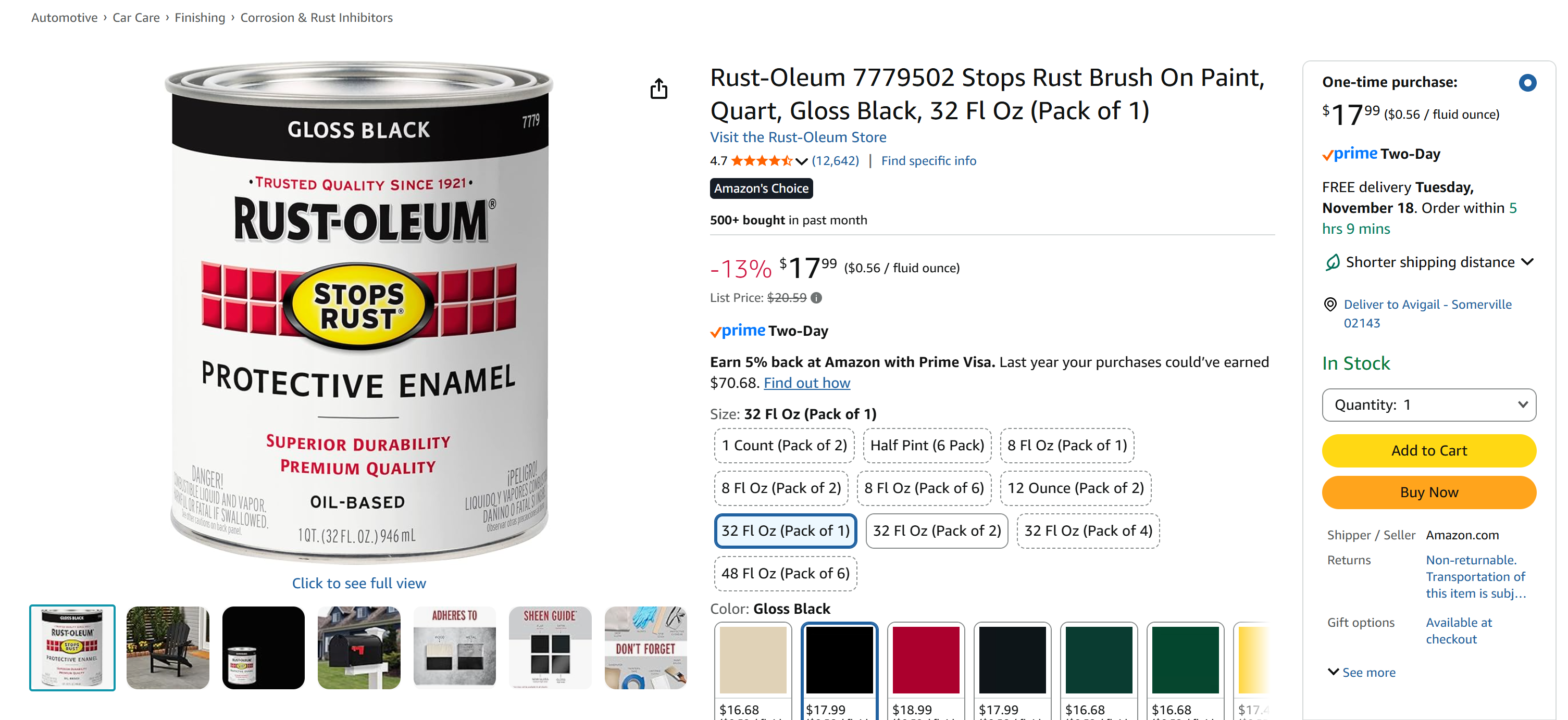
I sleuthed the internet for a metallic-like polish and ended up in cosplay forums (thank you Harrison for sending me this video):
Mandalorian Mask
Products purchased:
1. Krylon® COLORmaxx™ Brush-On, Gloss, Black, 1 Quart
2. 1 Quart Ultra-Fine Pure Graphite Powder
Project Timeline
| Week | Dates | Focus | Key Work |
|---|---|---|---|
| Week 1 | 16–22/11 | Schematics / PCB |
• Met with Anthony to review approach • Designed schematics in software • Finalized electronic components • Defined networking protocol and documentation |
| Week 2 | 23–29/11 | Monolith Preparation |
• Tested and finalized wood finish • Prepared table saw files • Acquired plywood and shop materials • Built monolith structure over Thanksgiving • Painted and finished enclosure |
| Week 3 | 30/11–6/12 | Orb Casting & Electronics |
• Acquired plexiglass, LEDs, and remaining components • Reviewed part assembly and circuit logic with Anthony • Built Fusion circuit model • Printed positive of orb landscape for sand mold • Aluminum casting with Jen using offcuts • 3D printed electronics housing • Bench-tested components |
| Week 4 | 7–13/12 | Assembly & Integration |
• Created ecosystem logic poster • Integrated monolith and orb systems • Implemented radio communication protocol and tested signal reliability around metal • Fabricated PCB boards • Soldered components • Final orb assembly |
| Extra Days | 14–15/12 | Debugging & Presentation |
• Debugged electronics and communication logic • Final calibration and testing • Prepared presentation materials and documentation |