🧵 WEEK 14: WILDCARD - SEWING & COSPLAY
Complex clothing design, 3D-to-2D pattern generation, and precision sewing.
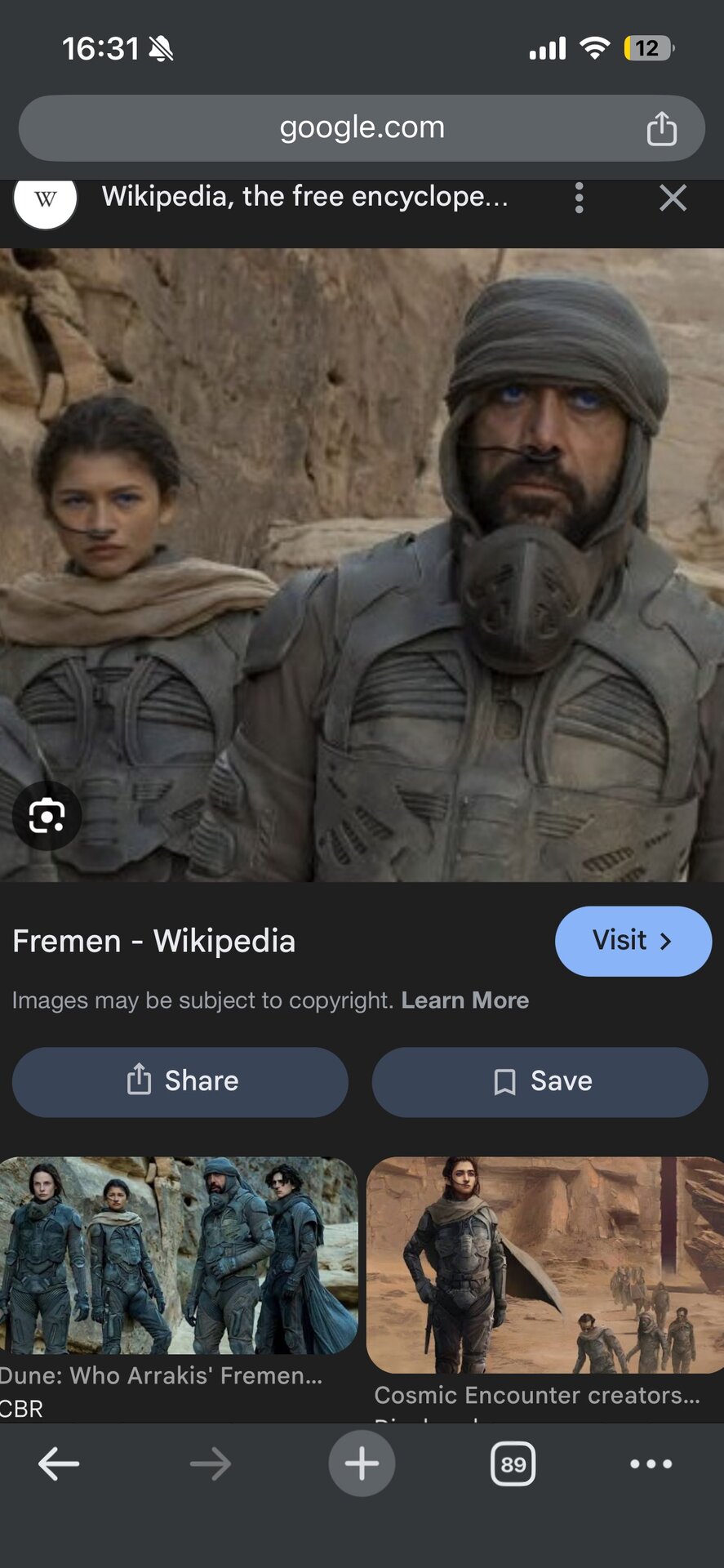
Fremen Stillsuit Cosplay Project
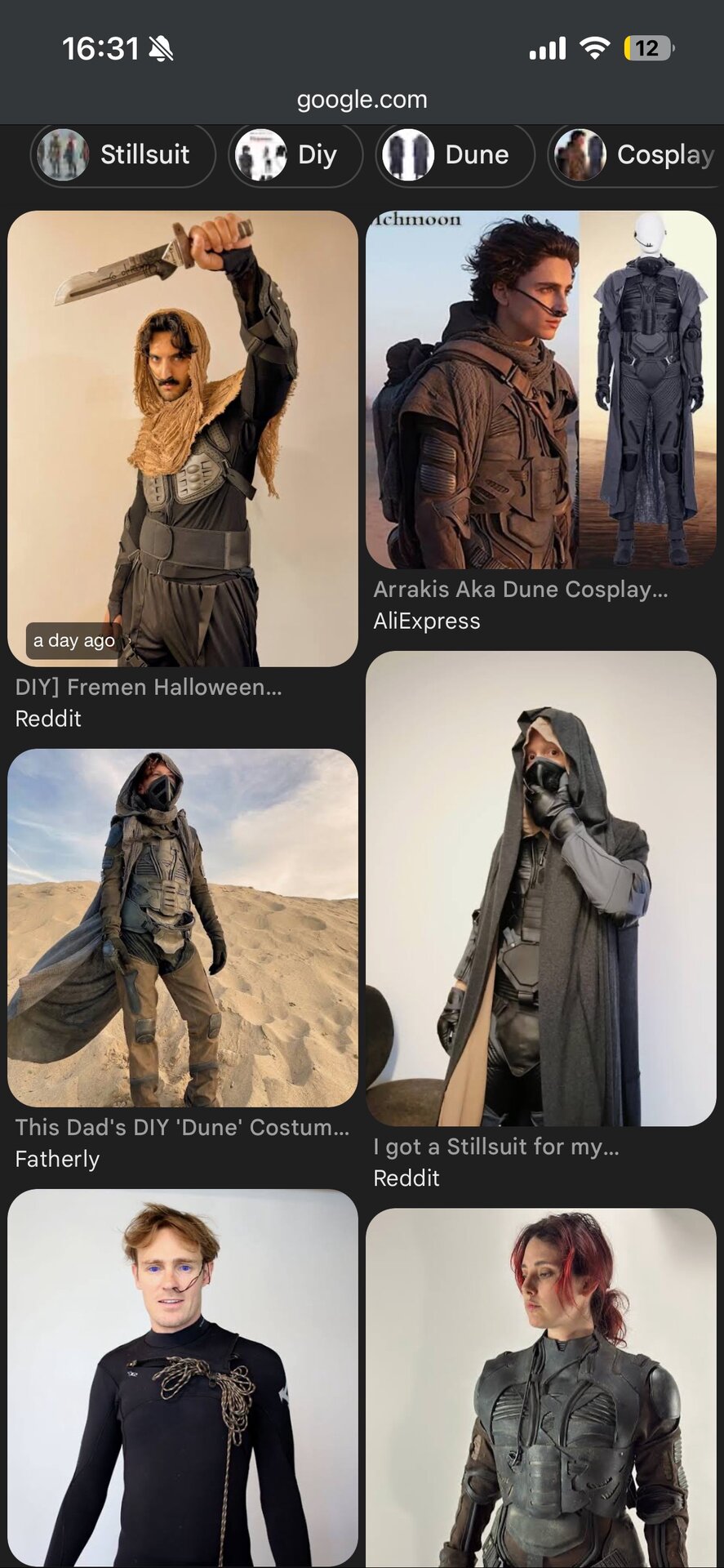
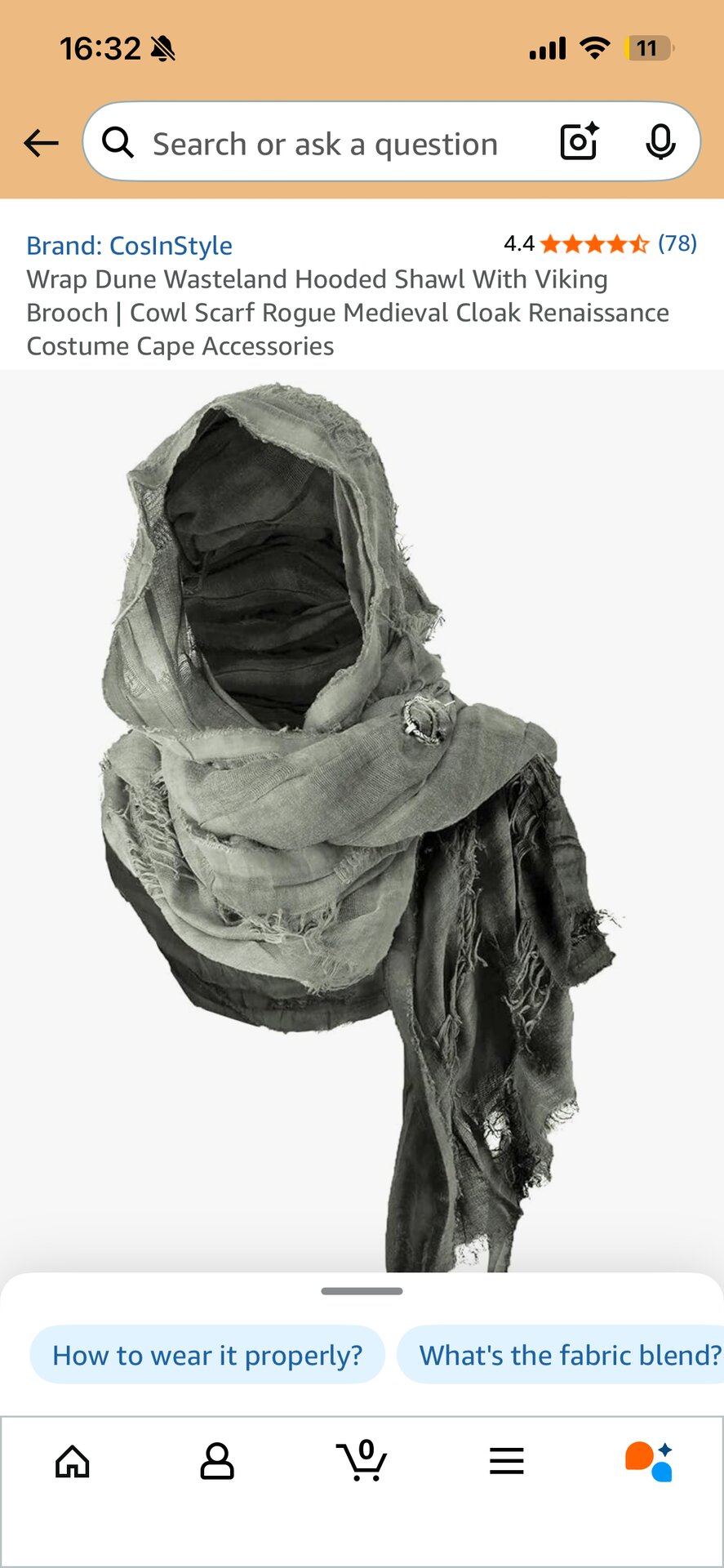
For wildcard week, I chose to learn complex 3-dimensional clothing design, sewing, and embroidery to create intricate costumes for a cosplay event. The project combined industry-level CAD tools (CLO 3D), 3D modeling, precision sewing, and textile experimentation to design and fabricate tailored Fremen stillsuits from Frank Herbert's Dune series.
Design & Inspiration
3D modeling, reference research, and material selection
3D to 2D Pattern Generation
CLO 3D workflow and digital pattern design
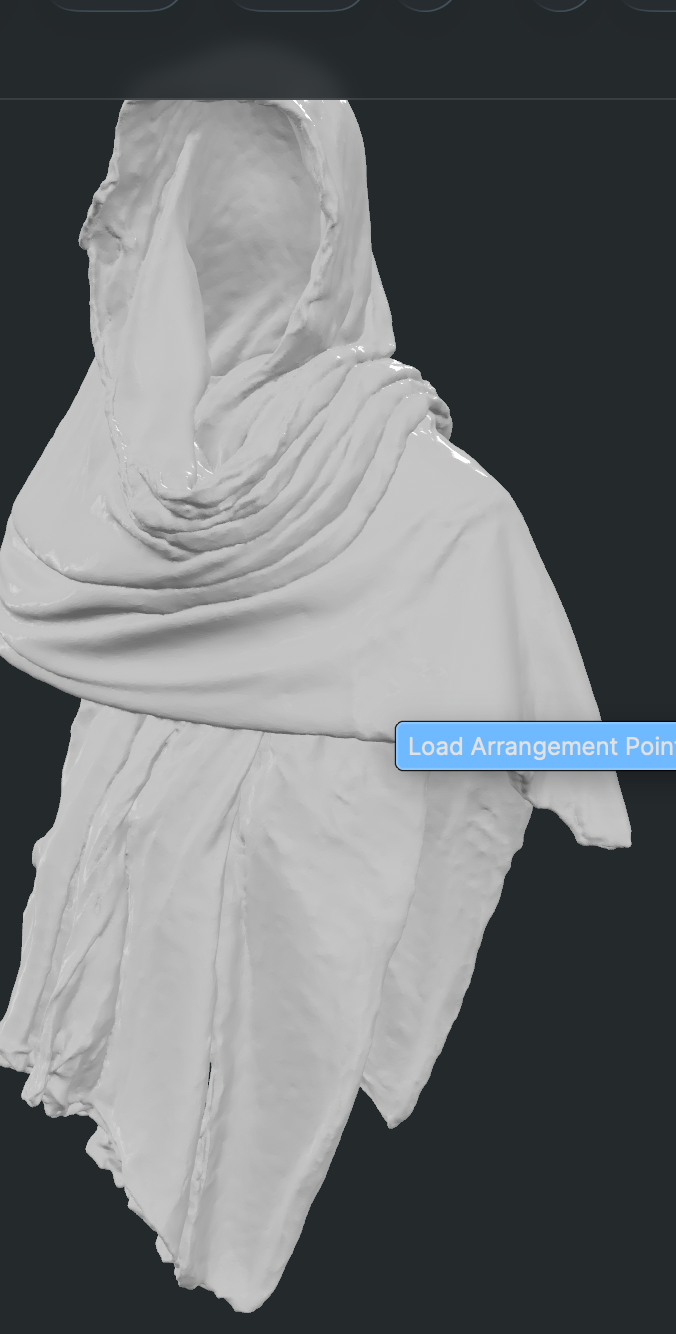
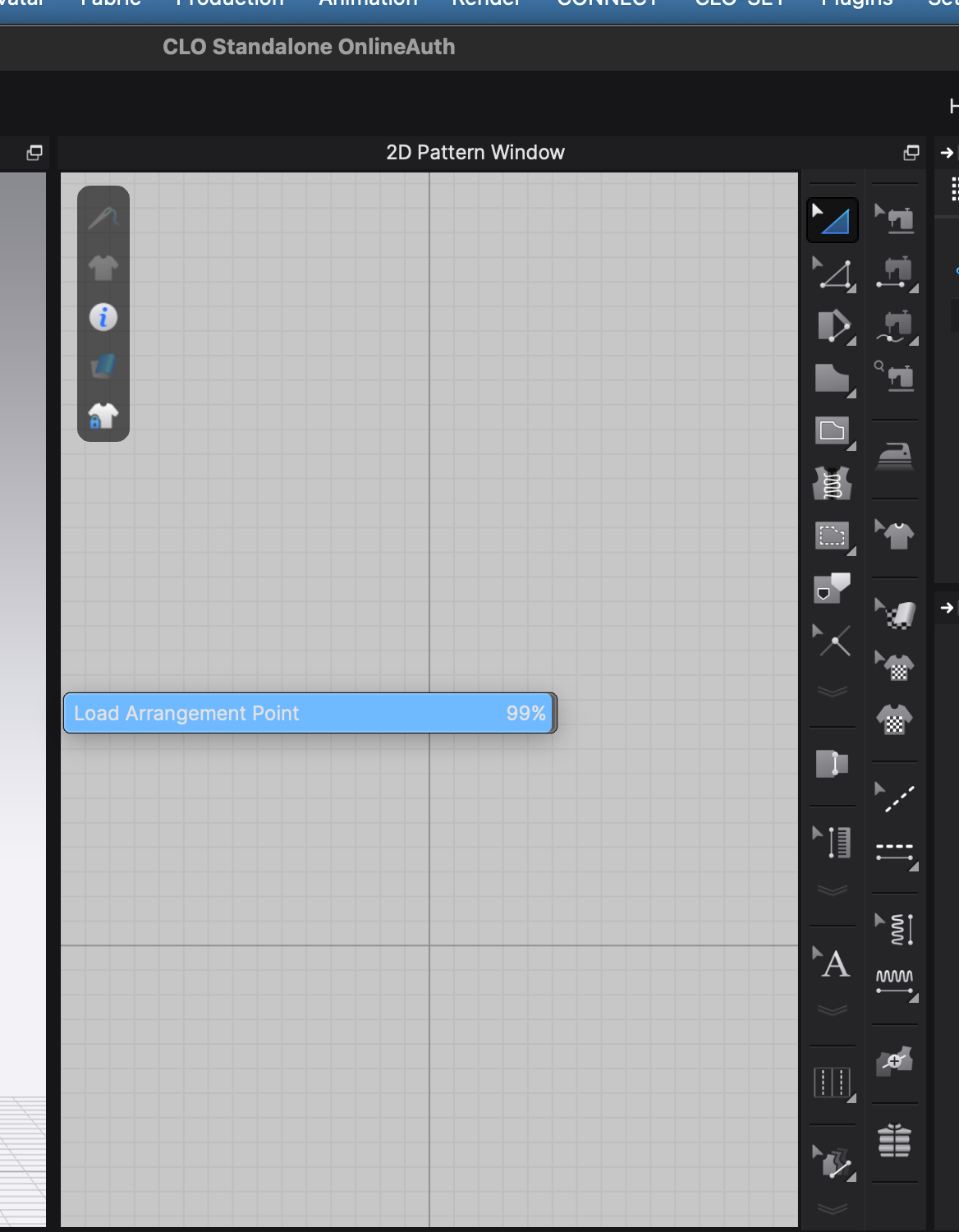
fremencloakRB.obj
3D scanned cloak model (available upon request)
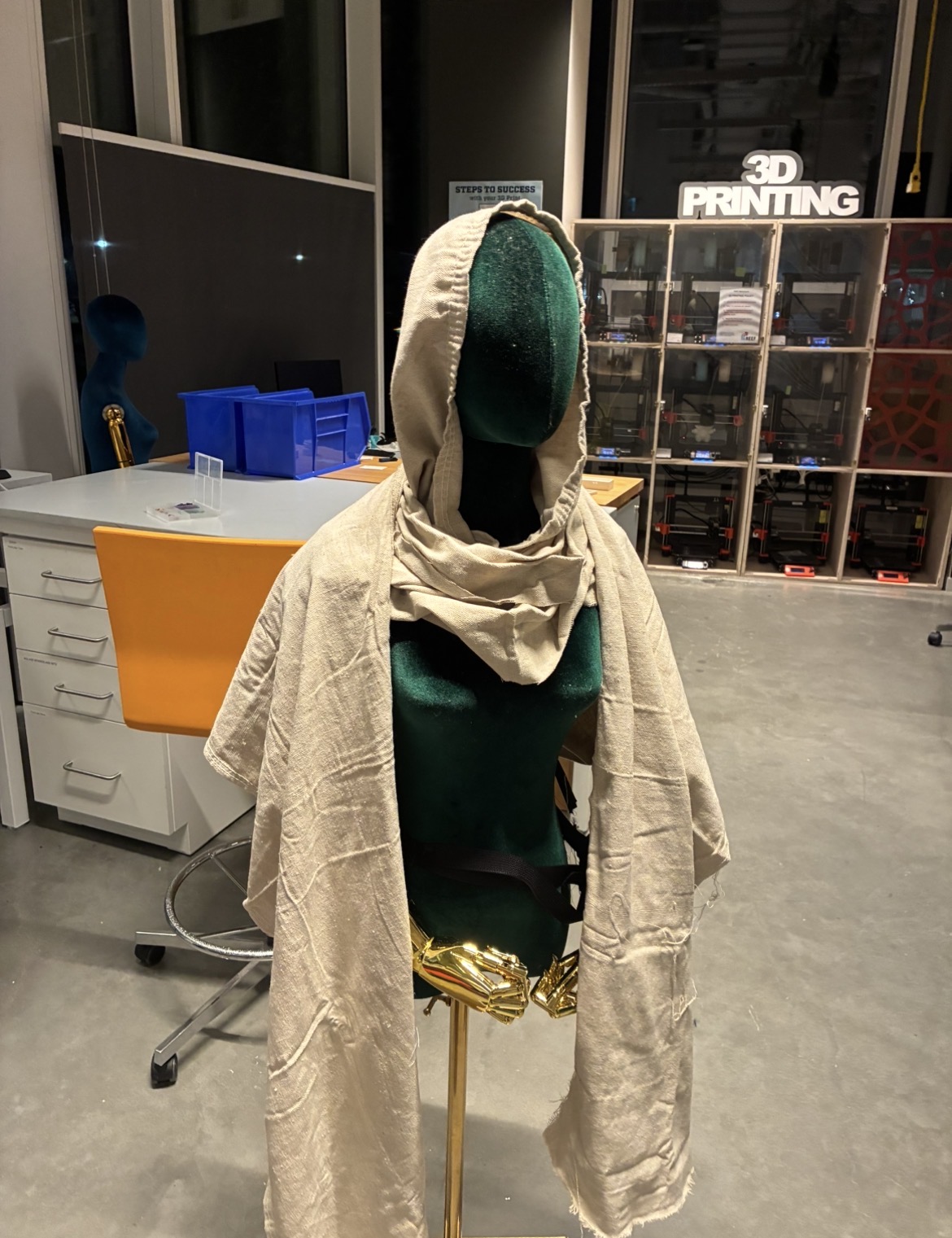
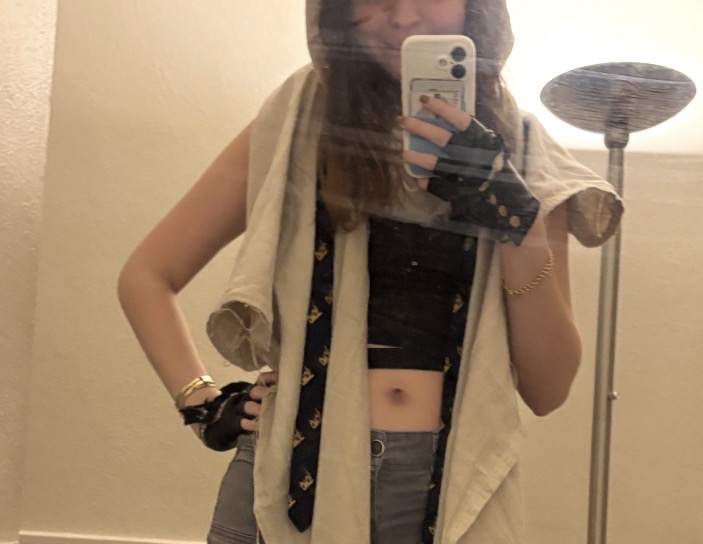
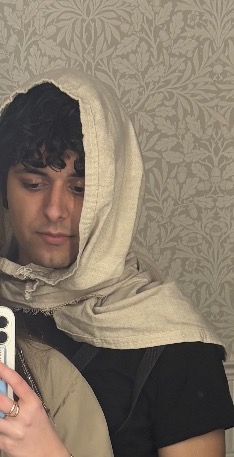
Final Costume
Completed tailored costumes for cosplay event
Key Learning Outcomes
- 3D-to-2D Pattern Generation: CLO 3D's automatic conversion from 3D garment models to 2D cutting patterns was one of the most interesting CAD tools I had interacted with
- Textile Science: Working with different materials revealed how needle puncture affects synthetic fabrics like spandex, requiring specialized technique. The spandex was the hardest to sew because the needle would change the tautness and properties of the fabric
- Precision Sewing: Hand-sewing and machine-sewing techniques for both woven (canvas) and stretch (spandex) fabrics
- Design Integration: Combining digital design tools with physical fabrication and fitting on mannequins
- Project Success: Completed two tailored costumes that received compliments and demonstrated visible precision and care in design